

A preschool-aged child receives arpraziquantel (arPZQ) in Salémata, Kédougou region, Senegal, on 3 September 2026. Photo: UNDP/Babacar Junior Fall.
Senegal’s Ministry of Health and Social Action has launched a pilot study in the Kédougou region as part of the country’s roadmap for introducing arpraziquantel (arPZQ), a child-friendly formulation for treating schistosomiasis in preschool-aged children.
The launch event, held on 2 September in Salémata, convened national and regional health authorities, technical and financing partners including representatives from the World Health Organization’s Senegal Country Office, the Special Programme for Research and Training in Tropical Diseases (TDR) and PATH, implementers and community leaders.
Senegal’s roadmap for introducing arPZQ includes pilot studies assessing delivery through three established childhood public health platforms. Led by the University of Thiès in collaboration with University of Gaston Berger, the Kédougou study will evaluate two of these platforms, with support from the UNDP-led Access and Delivery Partnership (ADP), TDR and PATH. Medicines for the pilot are supplied by the Izumi Foundation, while ADP is supported by the Government of Japan.
Schistosomiasis is a parasitic disease transmitted through contact with contaminated freshwater. It is endemic in 13 of the 14 regions of Senegal and remains a public health concern in the Kédougou region. Globally, it affects more than 250 million people worldwide, including an estimated 50 million preschool-aged children, most of whom live in sub-Saharan Africa.
The launch marks another important step towards closing a longstanding treatment gap for younger children. Until recently, there was no treatment formulation designed specifically for preschool-aged children. Developed by the Pediatric Praziquantel Consortium with support from the Global Health Innovative Technology Fund, the European and Developing Countries Clinical Trials Partnership, and Merck KGaA, Darmstadt, Germany, arPZQ is now beginning to reach children who need it through pilots in Côte d’Ivoire, Ghana, Kenya, Senegal, Tanzania and Uganda.
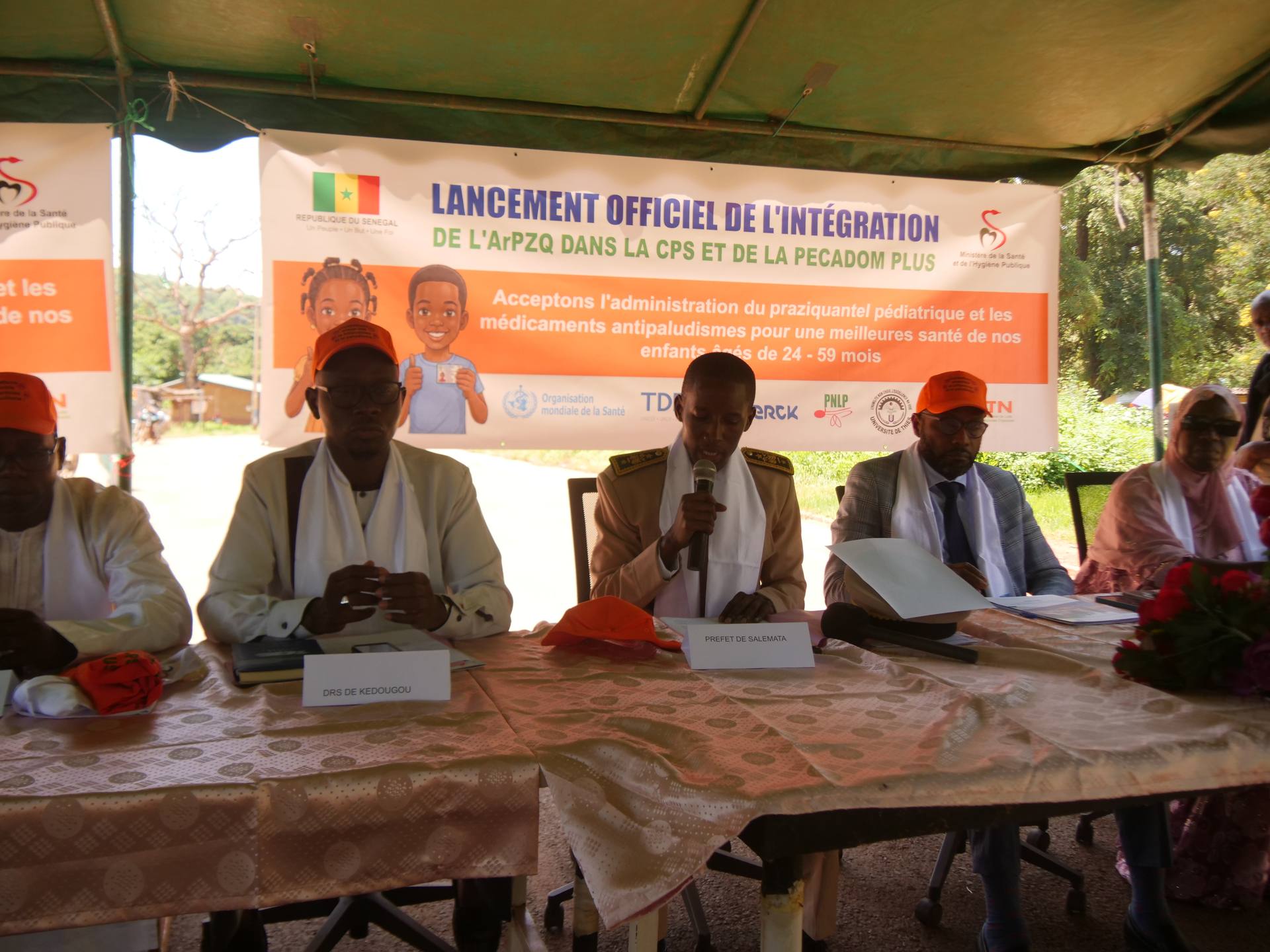
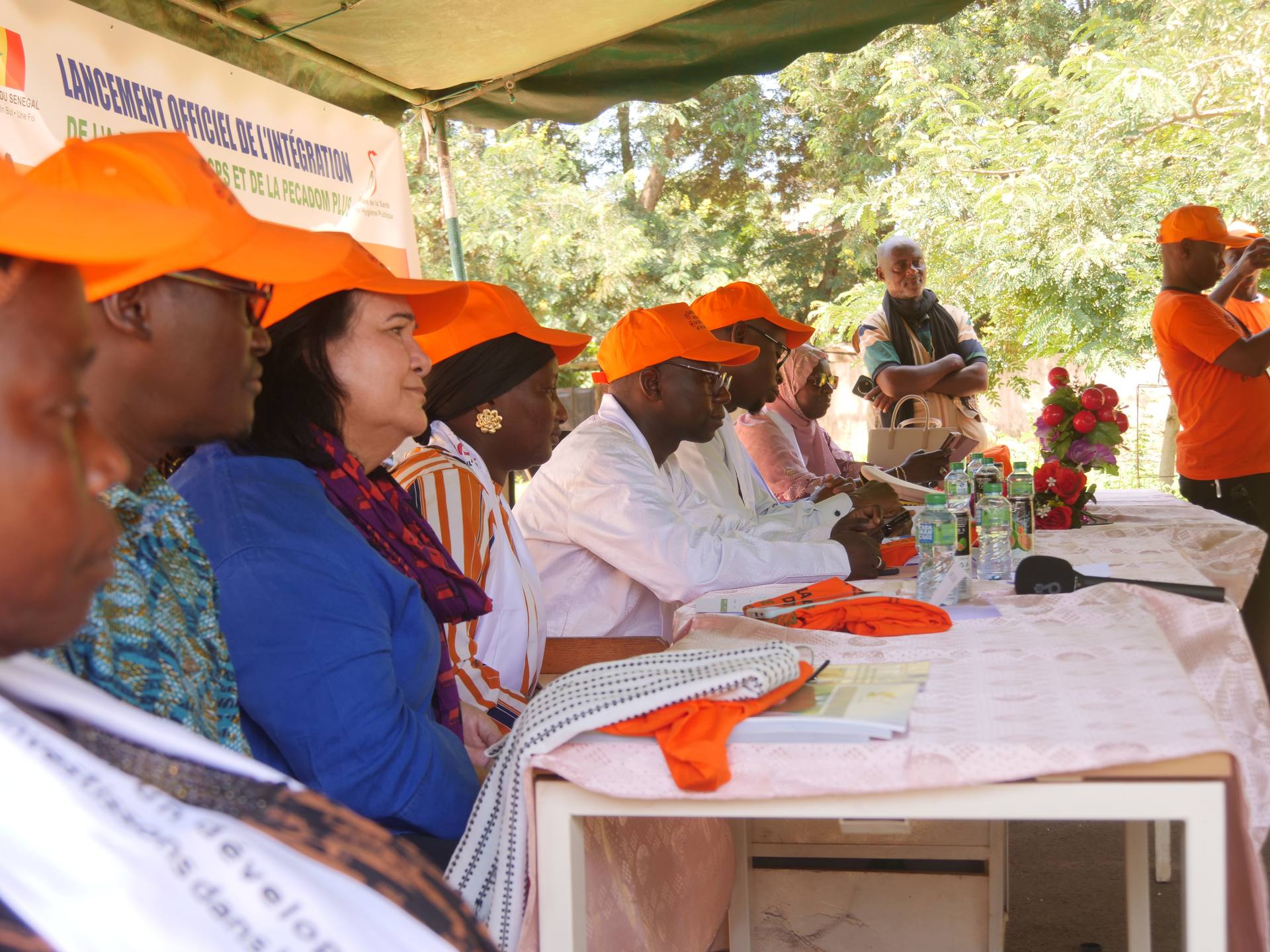
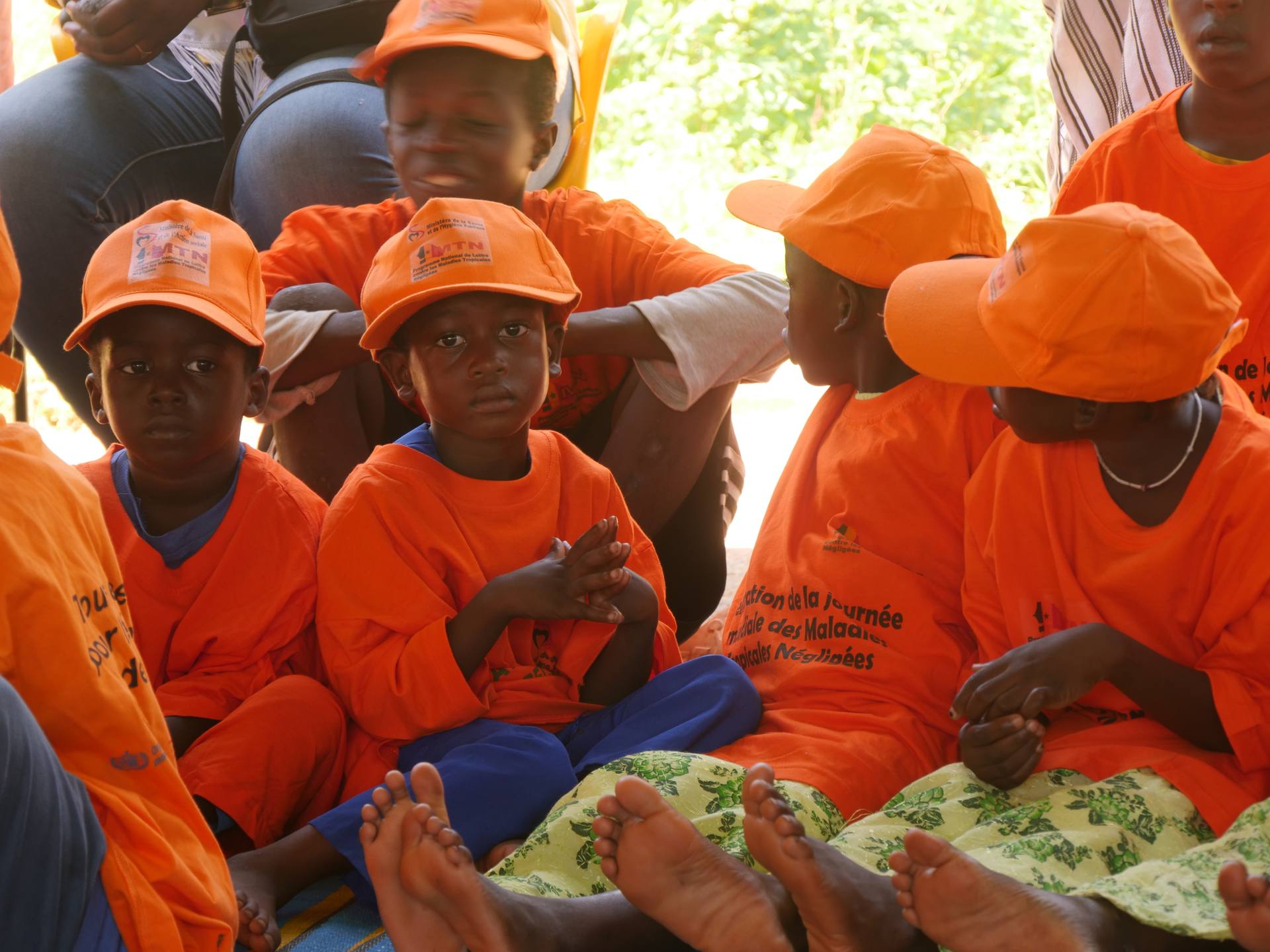
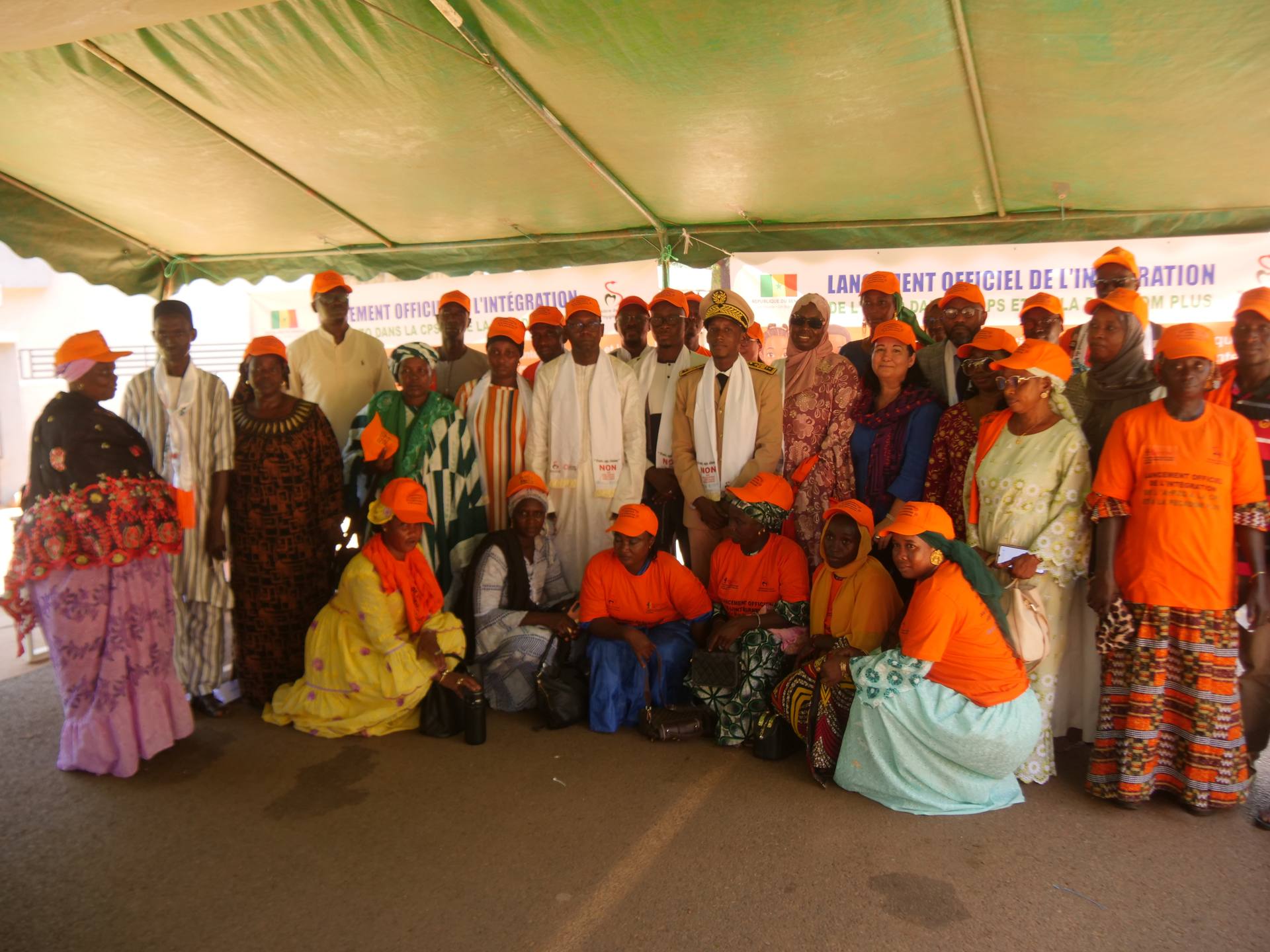
The implementation research study will examine how the treatment can be optimally delivered and administered through existing community health platforms, in real-life settings, identify opportunities and challenges for health workers, community drug distributors and families, and explore practical ways of addressing them.
“For many years, we have organized mass treatment campaigns against schistosomiasis, but we did not have a paediatric formulation for children aged 24 to 59 months,” said Dr Ndeye Mbacké Kane, Coordinator, National Neglected Tropical Diseases Control Programme. “The arrival of this new formulation is an important opportunity for the country to protect these children, particularly in areas where prevalence is high.”
“Health innovations only make a difference when they reach the people who need them. Through the Access and Delivery Partnership, UNDP is supporting Senegal to generate the practical evidence needed to expand equitable and sustainable access to arPZQ,” said Catherine Phuong, UNDP Senegal Resident Representative, a.i. “Ensuring that young children are not left behind is both a health priority and an investment in human development, giving more children the opportunity to grow, learn and fulfil their potential.”
About 6,000 children aged 24–59 months are expected to be reached through the pilot in Kédougou region. It will compare two models for integrating arPZQ into existing community health programmes: delivery through the PECADOM Plus (prise en charge à domicile) home-care platform and through seasonal malaria chemoprevention (SMC). The first administration through SMC took place on 3 September. The two delivery models are being evaluated in Kédougou and Salémata districts, with Saraya serving as the control district.
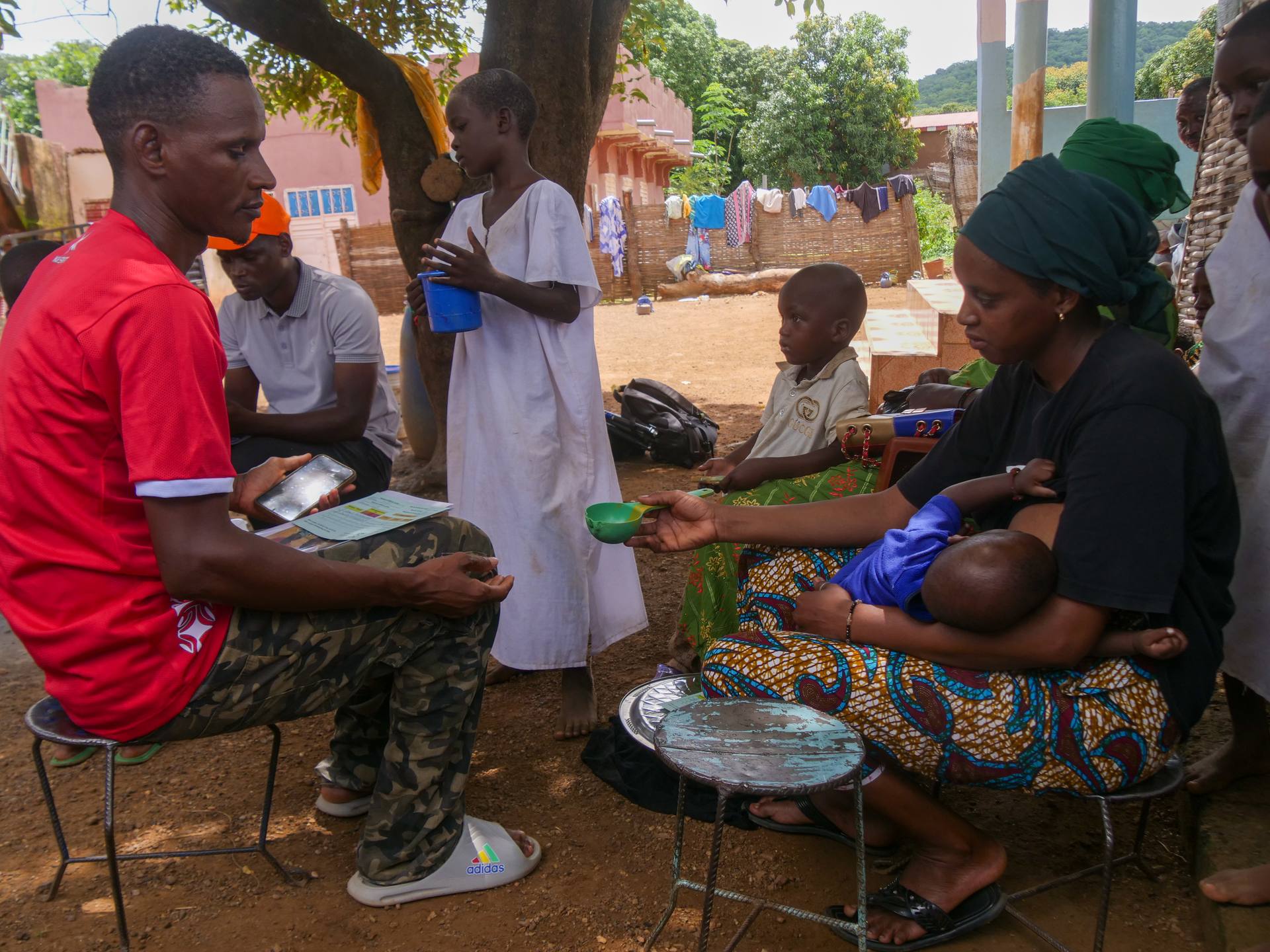
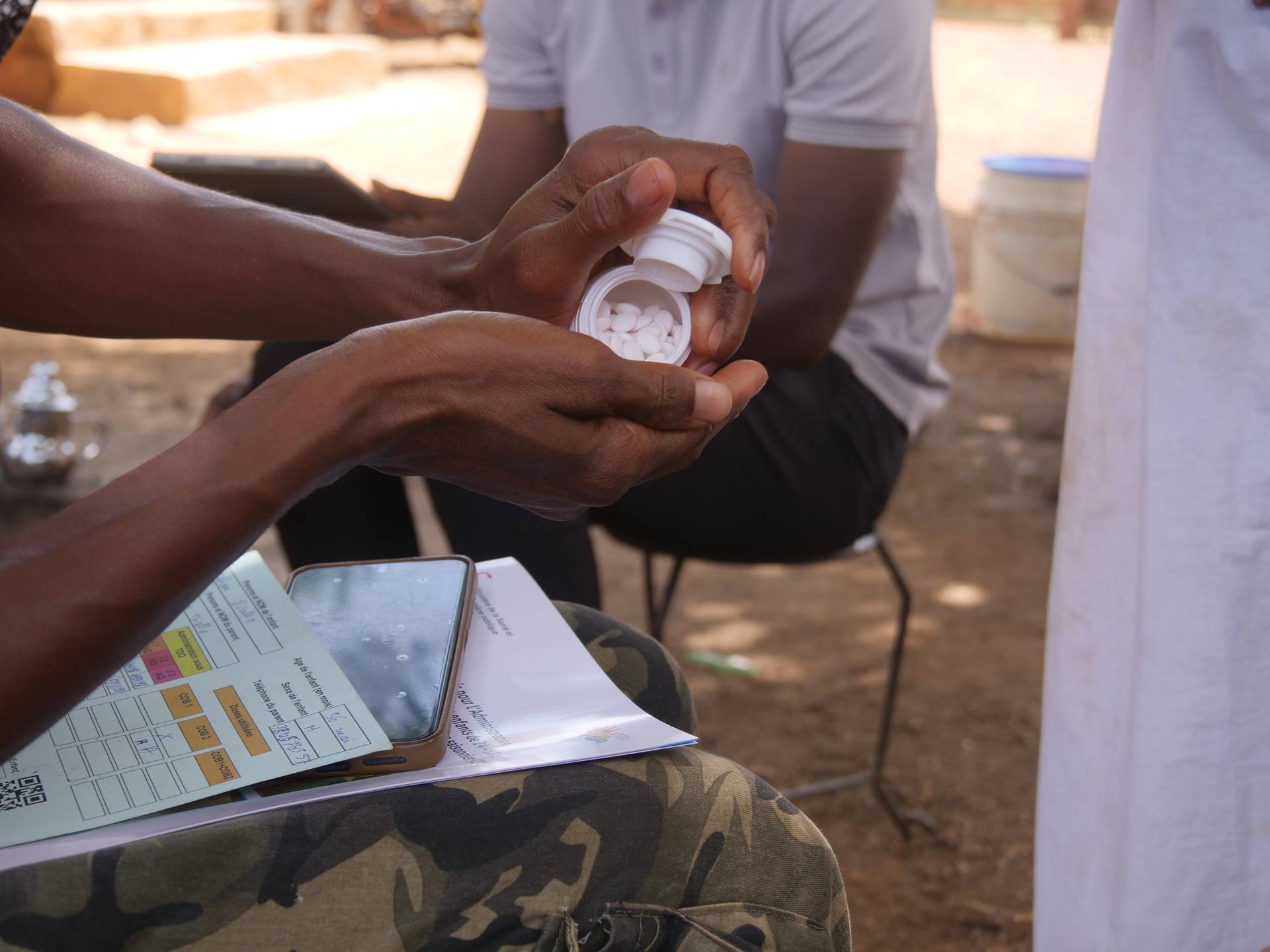
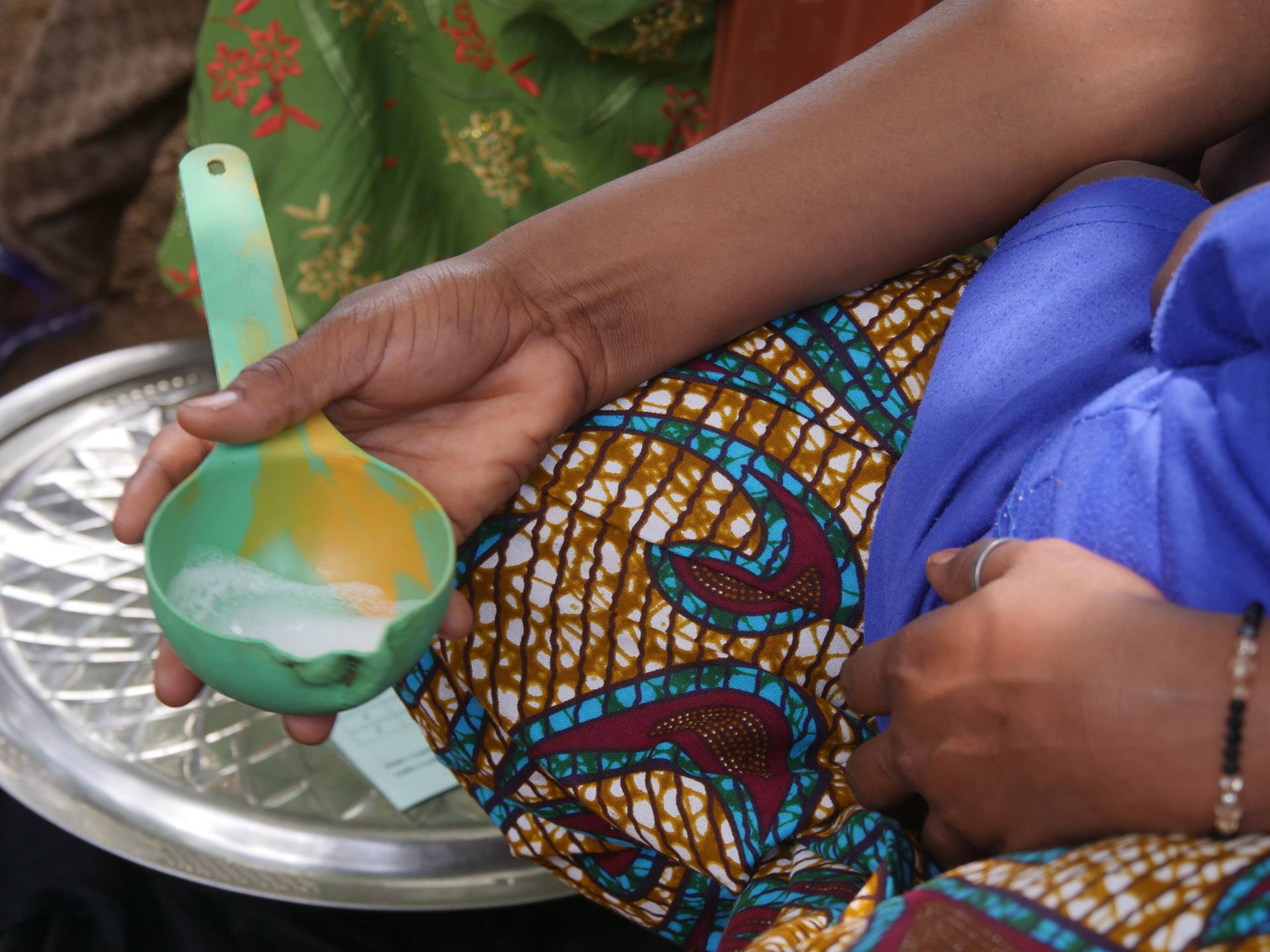
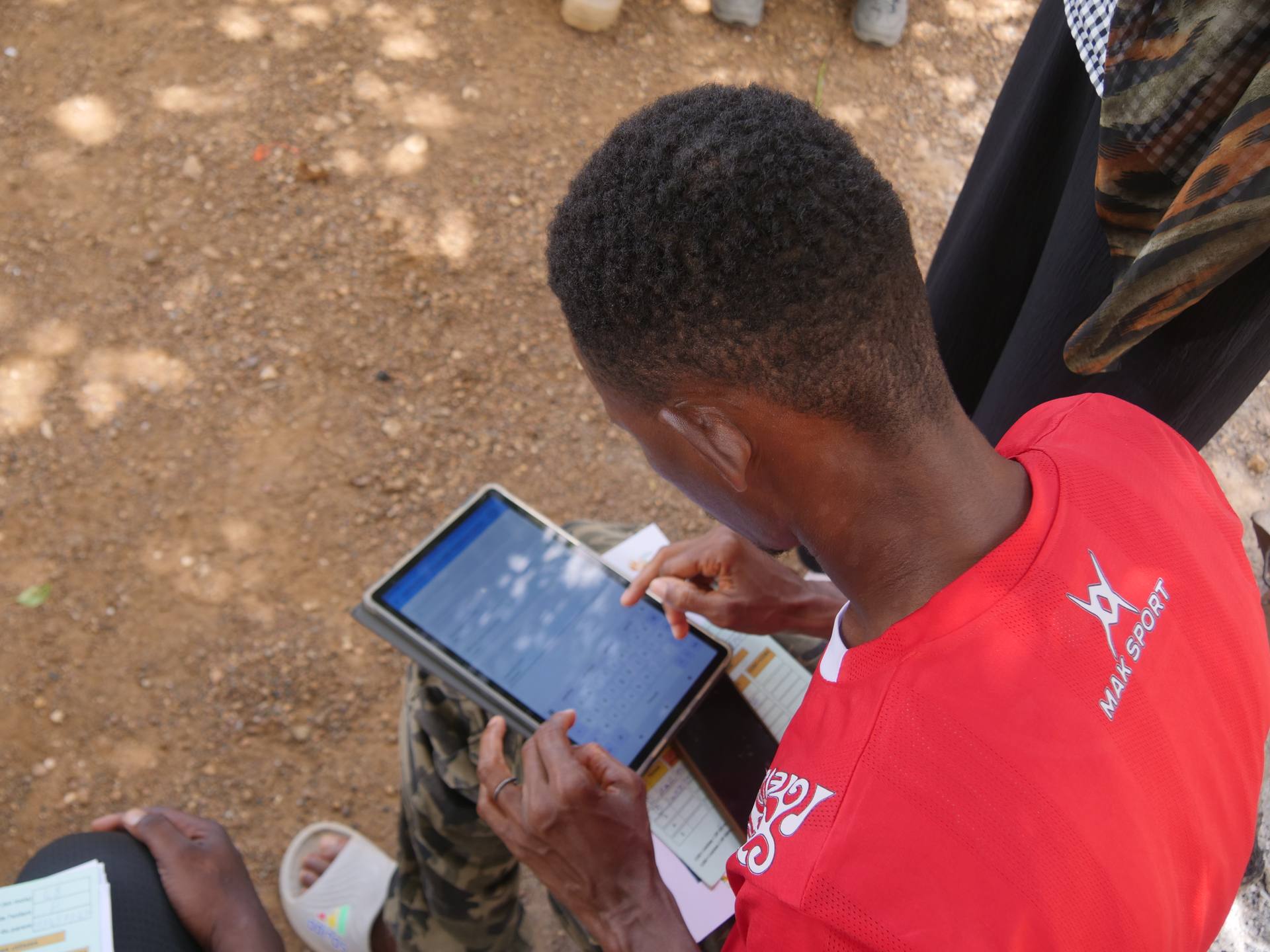
Photos: UNDP/Babacar Junior Fall.
“In the past, I had young children at home who passed blood when urinating. Now that this medicine is available, I feel relieved,” said Mariama Diallo, Departmental President of the Bajenu Gox network in Salémata. “Without the medicine, there was a risk. We used to consult traditional healers, but we did not feel reassured. Now with this treatment, we do.”
“The integration of arPZQ within malaria control activities is a key factor in ensuring its sustainability,” said Dr Corinne Merle, TDR. “These pilot studies, conducted under implementation research conditions, will assess the feasibility and acceptability of this approach among communities and inform national policy dialogue on scale-up strategies. These discussions will also be supported by the health economic evidence generated through this research.”
Community outreach will also raise awareness of schistosomiasis in young children and provide families with information about arPZQ and its delivery through community health platforms.
“Successful introduction of arPZQ will depend on families having the information they need to make informed decisions about their children’s treatment,” said Tidiane Thiam, Senior Program Manager Malaria and NTDs, PATH. “Community engagement and evidence from these delivery models will help Senegal develop an approach that can be sustained and expanded nationwide.”